


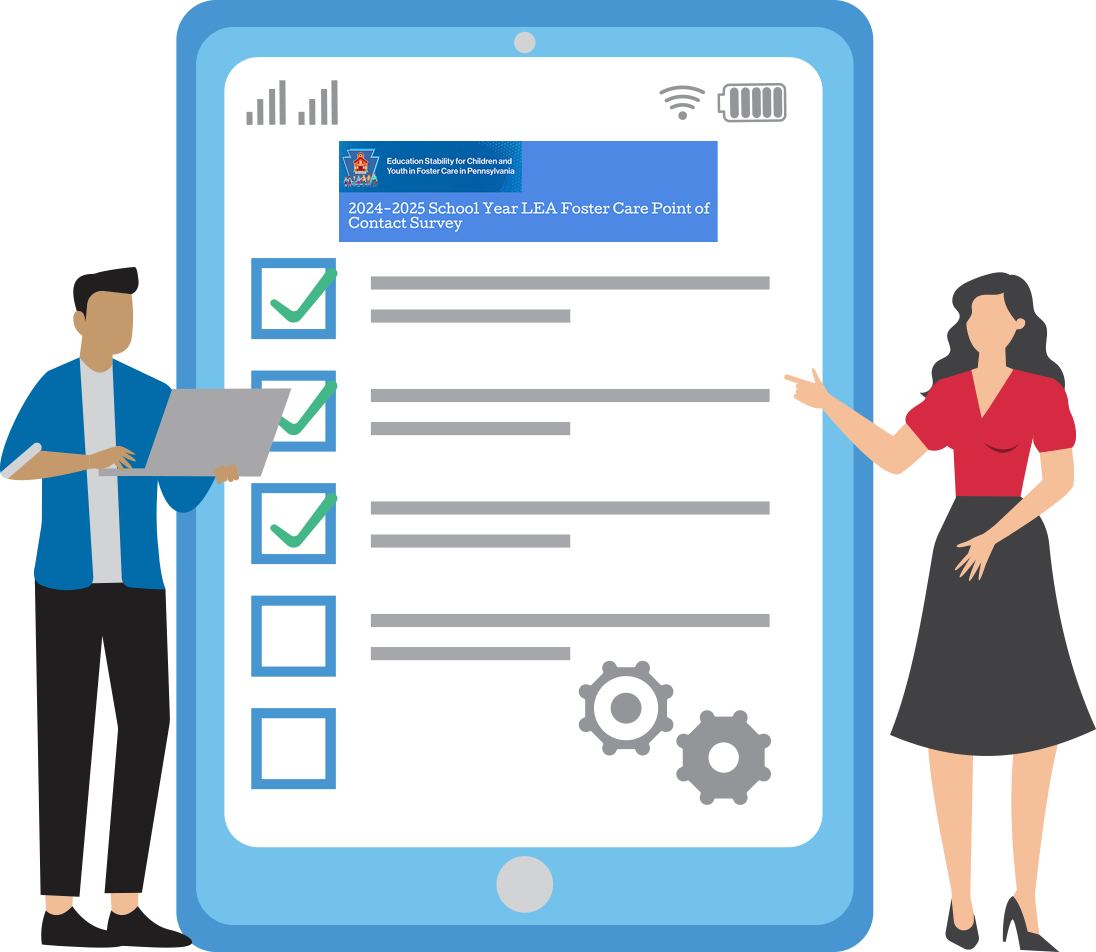
2025-2026 Foster Care Point of Contact (POC) Survey is now open
Each year, we ask Local Education Agency (LEA) Point of Contacts (POCs) to share insights into their implementation of ESSA’s Title I, Part A foster care provisions. Your feedback is essential to shaping statewide support for students in foster care.

Update to Federal Guidance
On November 15, 2024, the U.S. Department of Education and the U.S. Department of Health and Human Services issued updated Joint Non-Regulatory Guidance on ensuring educational stability for children and youth in foster care.
Please read the Dear Colleague Letter from then Acting Secretary Carrie Rowe, Pennsylvania Department of Education, and Secretary Valerie Arkoosh, Pennsylvania Department of Human Services. This letter introduces Pennsylvania’s plans to implement updated guidance.
New PIMS Reporting Requirement for Student in Foster Care
Beginning with the 2025–2026 school year, a new reporting field has been added to the PIMS Student Template: Field No. 209 – FOSTER STUDENT. This is a required element and must be completed for all students in foster care. Please read more for important guidance to LEAs to successfully complete the new PIMS reporting requirement.
School Stability is the Keystone of Learning
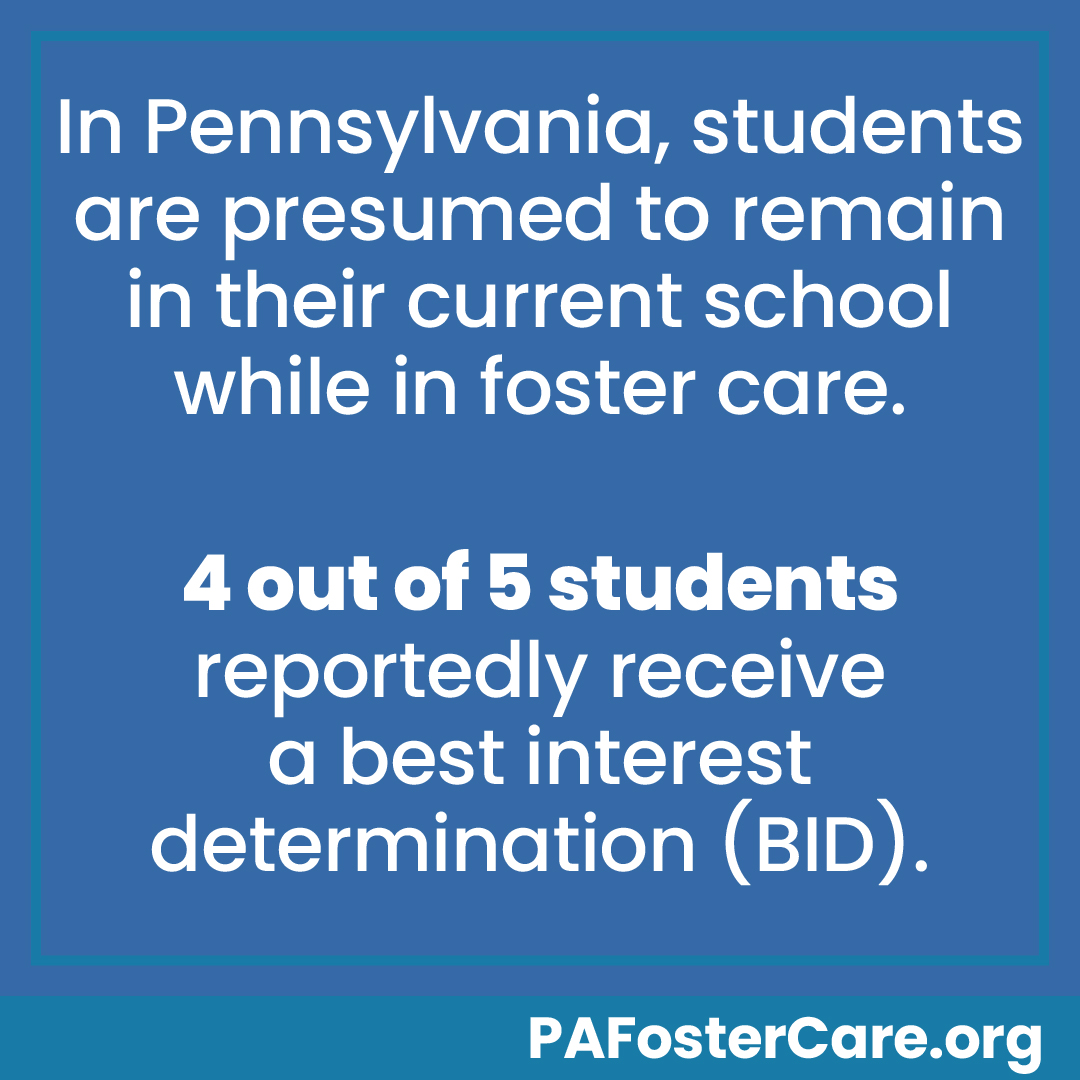
In December 2015, the Every Student Succeeds Act (ESSA) reauthorized the Elementary and Secondary Education Act of 1965 (ESEA). Protections for students in foster care found under ESEA, as amended by ESSA, aim to enhance collaboration and align both education and child welfare systems to improve educational outcomes. ESSA amends the ESEA to include educational stability for children and youth in foster care exclusively under Title I, Part A.
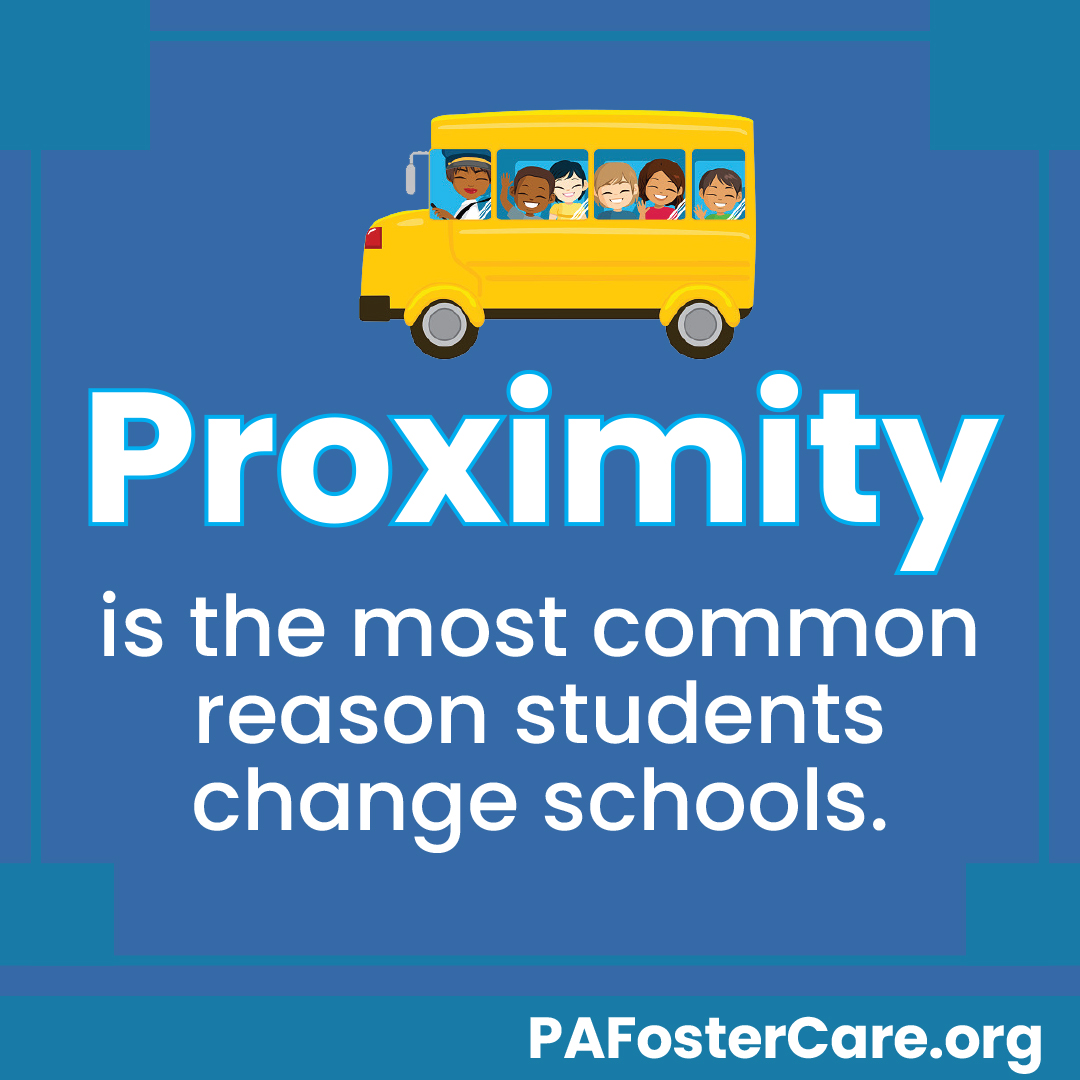
Frequent school changes are common among children in youth who are entering foster care placement or who have been in foster care placement. School changes are disruptive to their education and makes it difficult to develop supportive relationships with teachers, peers, and within their communities. Unplanned school changes are associated with delays in children’s academic progress, leaving highly mobile students more likely to fall behind their less mobile peers.
The Pennsylvania Department of Education, Pennsylvania Department of Human Services, and Center for Schools and Communities are working together to ensure school stability and school success for children and youth with experience in foster care.
Pennsylvania Foster Care Education Training and Technical Assistance Staff

Matthew Butensky
Youth Development Program Manager
State Education Agency Point of Contact
Center for Schools and Communities
275 Grandview Ave.
Camp Hill, PA 17011
717-763-1661, ext. 171
570-238-0258 cell
[email protected]

Benjamin Simmons
Special Projects Coordinator
Center for Schools and Communities
275 Grandview Ave.
Camp Hill, PA 17011
717-763-1661, ext. 110
[email protected]
Educators’ Guide for Students in Foster Care
Students with experience in foster care placement experience complex trauma and face a number of systematic barriers to academic and social success. While legislative measures provide schools with a framework for ensuring academic stability, educators must purposefully form supportive relationships with students with foster care experience. This guide is an educator’s toolkit for establishing in-school support and enriching a student in foster care placement’s experience at school. (Written 2024)